
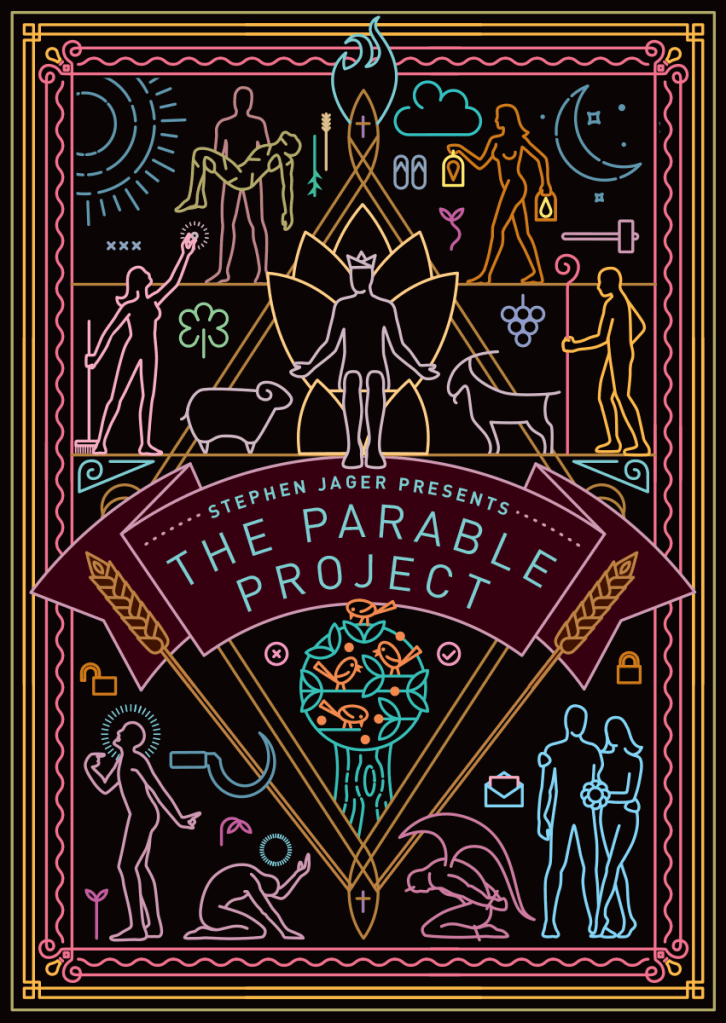
A few months back I completed a test to ascertain my top ten values as part of an executive recruitment process. After answering what seemed a long random questionnaire, it spat out my top ten values. From approximately 280 existing values the test narrowed it down to ten. My top, number one value, is the pursuit of wisdom. The second, my religion.
It was surprising because I thought my Christianity would certainly top the list. But it was also not surprising because true faith comes from wisdom, not the other way round. Wisdom does not follow faith, as the observance of many world religions can attest to.
WHAT IS WISDOM?
One of the best definitions of what wisdom is, is “how to live and die well”. The nucleus, origin and heart of wisdom resides with God. Nowhere else. Men may bluster but God alone has title and deed on wisdom. In the book of Job, the oldest book in the Bible, God Himself speaks and divulges that wisdom was with Him at the inception of the world. It is this knowledge that has compelled me to get as close to God as I possibly can, the source and fountain of wisdom. Ironically from a secular test this has evidently been my number one pursuit for my entire life. Knowing ‘about’ wisdom is not the same as ‘knowing’ it.
HOW DO WE GET CLOSE TO GOD?
Jesus Christ the Son of God is the best possible way to get close to God. Jesus IS the closeness of God. Not only was he a historical figure who walked the earth more than two thousand years ago, but he walks the earth even now inside billions of this planet’s people until the day his incorruptible body arrives on the same mount it departed from. The compulsion of wisdom, or rather wisdom’s compulsion is to get to know the man Jesus Christ, for in doing so not only reveals the God Jesus Christ, but ultimately the God known as Father.
When Jesus walked the shores of Galilee, visited the barren region of what is Jordan today, and strode the streets of Jerusalem, he did one thing. He healed. Even through his teachings he healed and what formed the core were the twenty-nine parables he wove through his teachings.
WHAT ARE PARABLES?
Parables are similes explaining principles to illustrate a moral or spiritual lesson which can be applied for better living, and better dying. Jesus has a wonderfully laconic way of speaking, using few but loaded words to describe big life changing concepts. He delivered the similes in contexts that not only explained the situation better, but used the situation to reveal more of the hidden depth of the parable itself, so that it may be applied, infinitely into the future. The parable and its context are inseparable and share much the same relationship as God does with man.
The man of velvet and steel gets impatient when he knows he’s done all he can for his audience to grasp something. He weeps in the face of stubborn hearts. He readily boasts the simple belief of the marginalised and gets angry at any inhibitors of prayer. But most importantly Jesus reveals the heart of the Father, providing unequaled access to the only God of the world – the source of all life.
 thankyoubackbone.com